Engineering excellence with a Grand École edge
STUDY IN FRANCE
Low public tuition, Grandes Écoles prestige, and a job-seeker permit extended to 2 years — France rewards ambition.


Why students choose this country
Why France?
The four facts that matter most when weighing your options — including the honest catch.
Post-study work
The job-seeker permit (APS) was extended to 24 months from 2025 — a full two years to find work aligned with your degree.
Standout strength
Grandes Écoles like École Polytechnique and Sciences Po pair with low public tuition (roughly €3k–€15k) and a powerhouse engineering culture.
Cost positioning
Public university tuition is a fraction of UK/US fees, and Paris is the only truly expensive city in the equation.
The honest caveat
Outside English-taught programs, solid French is essential — and the Prefecture paperwork can be slow; patience is part of the plan.
Live from our university dataset
Top Universities We Work With
A curated shortlist of France's best-known institutions. Every name and institution type below is pulled live from our compiled database of 298 France universities.
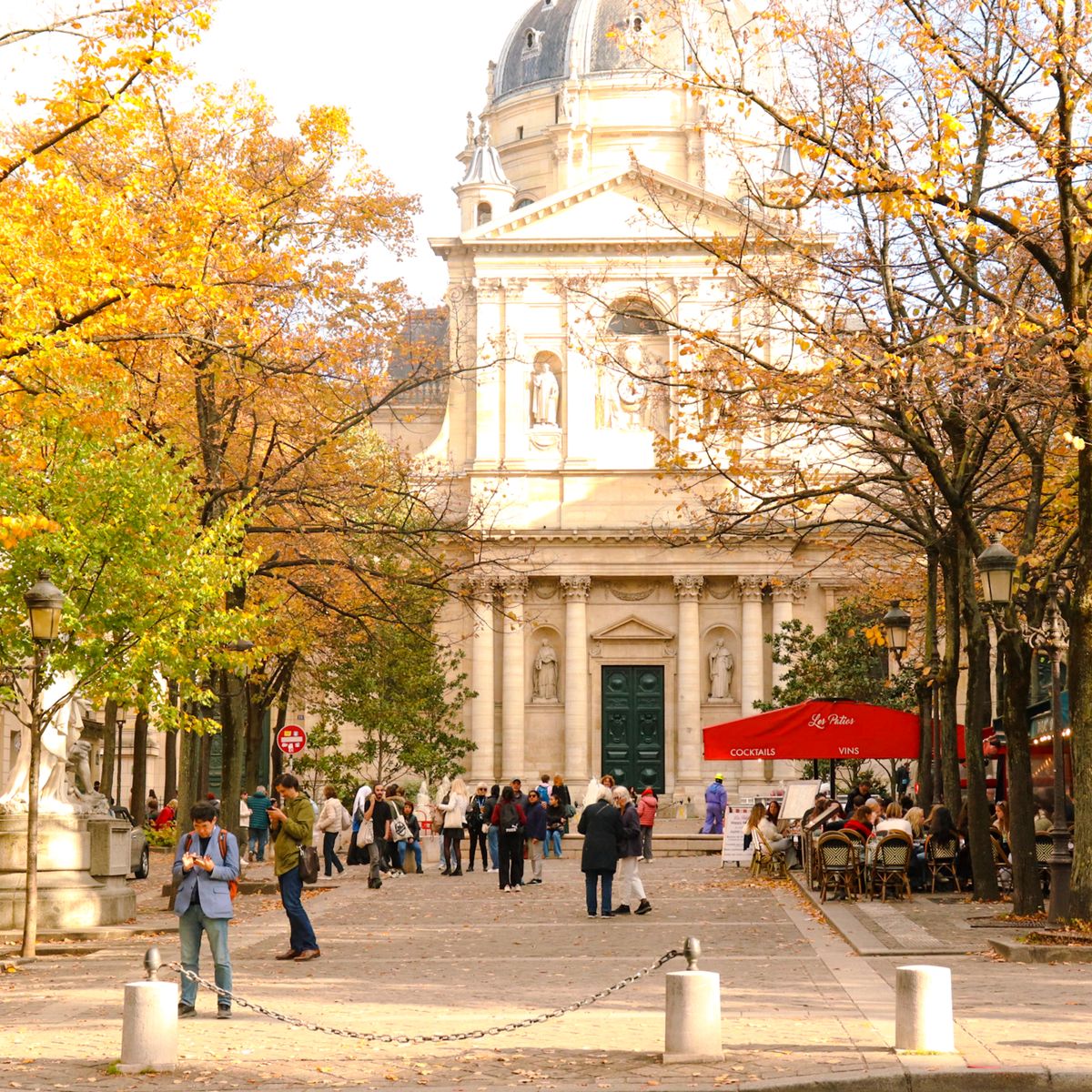
Sorbonne Université
ParisUniversity
École Polytechnique
PalaiseauUniversity
Sciences Po Paris
ParisUniversity
HEC Paris
Jouy-en-JosasUniversity
INSEAD
FontainebleauUniversity
Grenoble École de Management
GrenobleUniversity
École normale supérieure Paris-Saclay
Gif-sur-YvetteUniversity
Institut National Polytechnique de Toulouse
ToulouseUniversity
42 FR
University
Académie d'Aix-Marseille
University
Académie d'Orléans-Tours
University
Académie de Besançon
University
Académie de Bordeaux
University
Académie de Créteil
University
Académie de Mayotte
University
Académie de Paris
University
AgroParisTech
University
AgroSup Dijon
University
American Business School of Paris
University
American Graduate School in Paris
University
American University of Paris
University
Audencia
University
Campus Saint Marc
University
Central Supélec
University
Centre d'Etudes Supérieures des Techniques Industrielles
University
Centre d'Etudes Supérieures Industrielles Paris
University
Centre de Formation et de Perfectionnement des Journalistes
University
Centre National d'Etudes Agronomiques des Régions Chaudes
University
Clermont School of Business
University
Collège de France
University
Conservatoire National des Arts et Métiers
University
DUT MMI - Université Bordeaux Montaigne
University
Ecole Catholique d'Arts & Metiers
University
Ecole Centrale d'Electronique - ECE
University
Ecole Centrale de Lille
University
Ecole Centrale de Lyon
University
Ecole Centrale de Marseille
University
Ecole Centrale de Nantes
University
Data: compiled university database for France. Featured institutions are highlighted.
What students actually study
Popular Courses
Programs students from India most often pursue in this country.
Budget reality check
What It Costs
Annual ranges for international students, tuition and living combined, based on current research.
€3k–€15k per year at public universities; business schools run higher
€9k–€15k per year — Paris is the priciest, provincial cities far cheaper
Approximate estimate for planning only. French students receive housing aid (APL) which can cut rent significantly.
The paperwork that matters
Visa & Intake Essentials
What to plan for before you apply — visa class, financial proof, documents, and intake windows.
Long-stay student visa (VLS-TS)
Proof of funds
Show roughly €615/month (€7,380/year) in most cities; Paris asks for more
APS / job-seeker & business-creator permit
Up to 2 years (from 2025)
Intakes
- Admission letter from a French institution (or Campus France approval)
- Proof of funds for the year
- Passport and photos
- French or English language evidence
- Campus France interview (where applicable)
Where Quilon steps in
How Quilon Helps You Get There
The same six-step guidance we give every student, tuned to this country's visa rules and application cycles.
Counseling & University Selection
We match you with Grandes Écoles, business schools, and public universities — steering toward programs where English or entry-level French works.
Applications & Documentation
Campus France processes, university portals, and the motivated letters French admissions expect.
Visa Counseling & Interview Prep
We prepare your VLS-TS file and Campus France interview so the consulate stage is calm and complete.
Test Preparation
TEF/TCF French for the DELF/DALF pathway and English tests for English-taught programs.
Scholarships & Funding
Eiffel scholarships, Eiffel Excellence, French government awards, and housing-aid (APL) guidance.
Pre-Departure & Arrival Support
Housing, OFII validation, bank account, APL applications, and orientation in your French city.
Next step
Book a Free Consultation
A free consultation shows how low French tuition plus the 2-year APS can fit your budget and career goals.