Home to the world's most prestigious campuses
STUDY IN THE USA
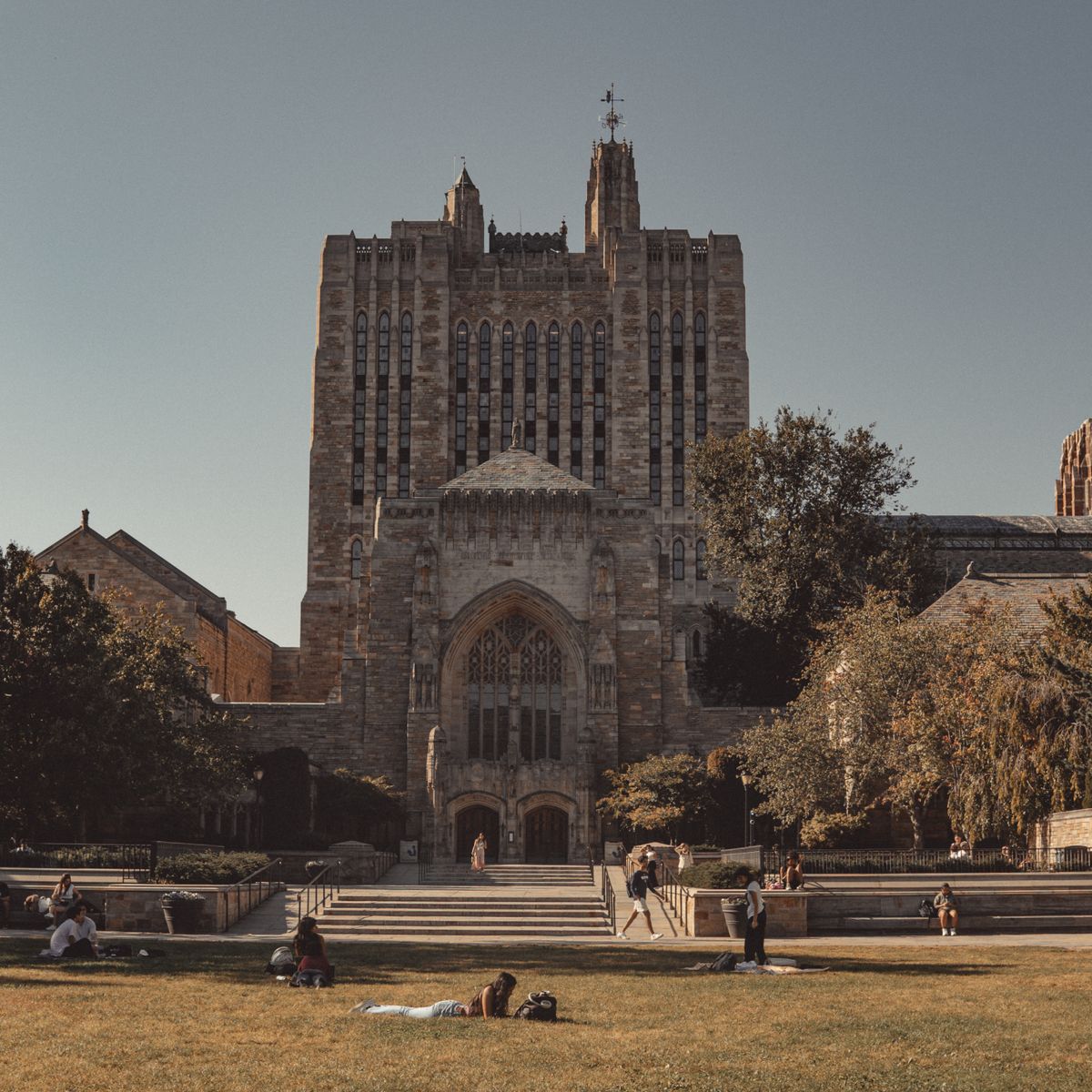
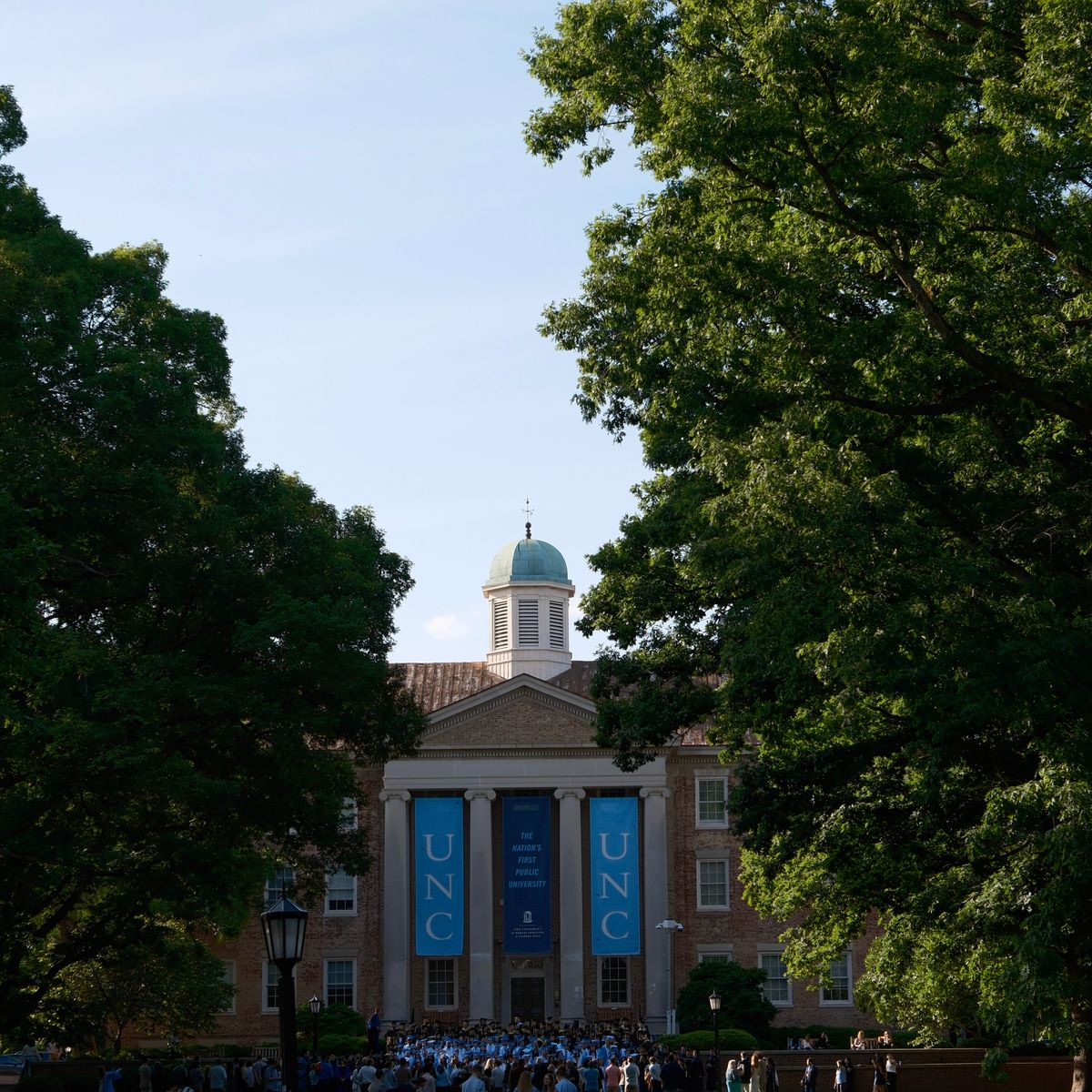
Ivy League prestige, unmatched research funding, and OPT work opportunities that stretch up to 3 years for STEM graduates.


Why students choose this country
Why the USA?
The four facts that matter most when weighing your options — including the honest catch.
Post-study work
Optional Practical Training (OPT) gives 12 months of work after graduation — extended to 24 additional months for STEM degrees (up to 3 years total).
Standout strength
More top-ranked universities than any other country, with unmatched research budgets and Silicon Valley–style industry pipelines.
Cost positioning
Tuition is high — roughly $25k–$60k per year — but scholarships, assistantships, and strong graduate salaries offset it for many students.
The honest caveat
Admissions are competitive, the F-1 visa interview is demanding, and the path from OPT to permanent residence is longer than in Canada.
Live from our university dataset
Top Universities We Work With
A curated shortlist of United States's best-known institutions. Every name and institution type below is pulled live from our compiled database of 2,338 United States universities.
Massachusetts Institute of Technology
Cambridge, MAUniversity
Stanford University
Stanford, CAUniversity
Harvard University
Cambridge, MAUniversity
California Institute of Technology
Pasadena, CAUniversity
Princeton University
Princeton, NJUniversity
Yale University
New Haven, CTUniversity
Columbia University
New York, NYUniversity
University of California, Berkeley
Berkeley, CAUniversity
University of California, Los Angeles
Los Angeles, CAUniversity
42 US
University
Aaniiih Nakoda College
University
Abilene Christian University
University
Abraham Baldwin Agricultural College
University
Academic medical center at State University of New York at Stony Brook
University
Academy of Art University
University
Adelphi University
University
Adirondack Community College
University
Adrian College
University
Agnes Scott College
University
Aiken Technical College
University
Aims Community College
University
Air Force Institute of Technology
University
Alabama A&M University
University
Alabama Southern Community College
University
Alabama State University
University
Alamance Community College
University
Alamo Colleges
University
Alamo Colleges District
University
Alaska Pacific University
University
Albany State University
University
Albany Technical College
University
Albertson College of Idaho
University
Albion College
University
Alcorn State University
University
Alexandria Technical & Community College
University
Alfred University
University
Allan Hancock College
University
Allegany College of Maryland
University
Allegheny College
University
Data: compiled university database for United States. Featured institutions are highlighted.
What students actually study
Popular Courses
Programs students from India most often pursue in this country.
Budget reality check
What It Costs
Annual ranges for international students, tuition and living combined, based on current research.
$25k–$60k per year depending on public vs. private and course level
$12k–$25k per year — cities like NYC and San Francisco cost far more than college towns
Approximate estimate for planning only. Scholarships, assistantships, and on-campus work can meaningfully reduce the real cost.
The paperwork that matters
Visa & Intake Essentials
What to plan for before you apply — visa class, financial proof, documents, and intake windows.
F-1 Student Visa
Proof of funds
Show full first-year tuition plus living costs (often $40k–$70k) in bank funds
OPT (Optional Practical Training)
12 months, +24 more for STEM (up to 3 years)
Intakes
- Form I-20 issued by your university (via SEVP)
- SEVIS I-901 fee receipt
- DS-160 confirmation
- Financial documents & sponsor letter
- Passport, photos, and visa interview appointment
Where Quilon steps in
How Quilon Helps You Get There
The same six-step guidance we give every student, tuned to this country's visa rules and application cycles.
Counseling & University Selection
We match your grades and test scores against reach, match, and safety schools — from MIT and Stanford to state universities that fund international students.
Applications & Documentation
Common App, supplemental essays, SOPs, and recommendation letters — crafted to stand out in the most competitive applicant pool on earth.
Visa Counseling & Interview Prep
We prepare your I-20 file, DS-160, and run mock F-1 interviews so the most scrutiny-heavy visa process in the world feels routine.
Test Preparation
SAT, GRE, GMAT, IELTS, and TOEFL plans matched to your target schools and their score ranges.
Scholarships & Funding
Merit scholarships, need-based aid, teaching and research assistantships, and education-loan guidance to close the US funding gap.
Pre-Departure & Arrival Support
Campus housing, airport pickup, banking, health insurance, and orientation for your first semester stateside.
Next step
Book a Free Consultation
A free consultation maps your profile to the right universities, a realistic budget, and an OPT-ready career plan from day one.